
Leading Tree Removal Products For Safe and Effective Work
Explore a curated selection of reliable tools and gear that ensure safety, precision, and ease during tree removal projects.
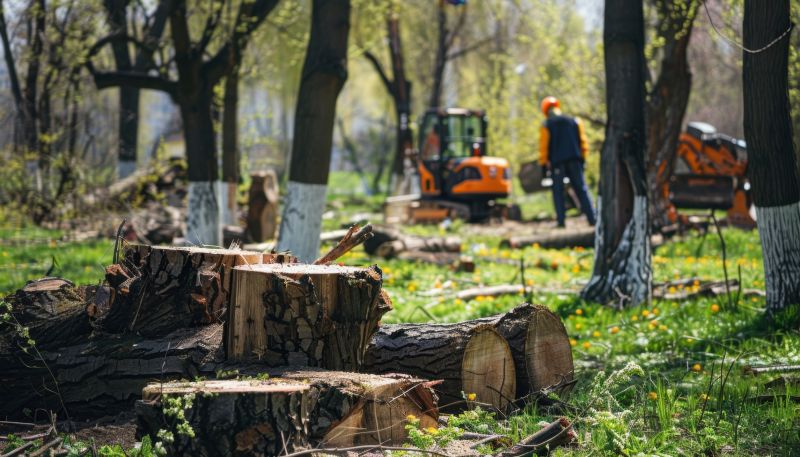 Tree removal is a task that often requires careful planning and the right tools to ensure safety and efficiency. Whether dealing with dead or hazardous trees, or simply managing landscape aesthetics, selecting appropriate products is essential. The process can involve various equipment, from manual tools to powered machinery, each suited for different sizes and types of trees. Proper safety gear and accessories also play a crucial role in protecting individuals during the removal process.
Top Overall Option
Multi-Purpose Tree Removal Tool Set
A comprehensive set that includes essential manual tools such as pruning saws, loppers, and hand pruners, designed to handle various aspects of tree removal and maintenance. This versatile collection is suitable for different tree sizes and offers durability for repeated use. It provides a balanced combination of cutting power and precision, making it a reliable choice for homeowners undertaking DIY projects or professionals managing multiple trees.
Types of Products For Tree Removals
Chainsaws
Powerful tools ideal for cutting through large branches and trunks efficiently, available in various sizes and power sources.
Pole Saws
Extended reach tools designed for pruning high branches safely from the ground, reducing the need for ladders.
Hand Pruners
Compact tools perfect for trimming smaller branches and shaping trees with precision.
Loppers
Long-handled cutting tools suitable for reaching and trimming medium-sized branches.
Chainsaw Carving Bars
Specialized bars for detailed carving or trimming of larger tree sections.
Tree Climbing Gear
Harnesses, ropes, and spikes designed for safe climbing and removal of trees that cannot be cut from the ground.
Ropes and Slings
Essential for controlling falling branches and trunks during removal.
Stump Grinders
Machines used to grind down remaining tree stumps after removal.
Safety Helmets and Gloves
Protective gear to ensure safety during all stages of tree removal.
Lifting and Winching Devices
Equipment designed to assist in lifting and controlling large tree sections safely.
Aerial Lifts
Mechanical lifts for reaching high branches or trees in tight spaces.
Debris Chutes
Tools to safely direct cut branches and debris away from work areas.
Tree Removal Kits
Complete packages containing multiple tools tailored for comprehensive tree removal projects.
Hydraulic Tree Pullers
Powered devices for pulling out stumps and small trees with minimal manual effort.
Portable Felling Wedges
Tools used to guide the direction of falling trees and prevent splitting.
Tree Support Cables
Support systems to stabilize leaning or damaged trees before removal.
Popular Choices
Battery-powered chainsaws offering mobility and convenience for various tree cutting tasks.
Lightweight tools with adjustable reach for pruning high branches safely from the ground.
Traditional saws suitable for smaller, precise cuts and trimming.
Robust loppers designed for cutting thicker branches with ease.
Powered tools with extendable poles for efficient high branch trimming.
Gear for safe ascent and stability when working on larger trees.
Complete ropes and harness systems for controlled branch and trunk removal.
Versatile attachments for small stump grinding tasks compatible with various power tools.
Full-body gear including chaps, jackets, and eye protection for safety during tree work.
Powerful equipment for processing fallen branches and trunks into manageable pieces.
Mobile lifts for accessing high or hard-to-reach tree sections.
Netting systems to contain and manage debris during removal projects.
Tools for converting logs into lumber during or after tree removal.
Wedges to assist in guiding the fall of a tree safely.
Support systems to stabilize trees before removal or during storm damage.
Devices for gripping and controlling branches or small trunks.
For those in Poughkeepsie, NY, or surrounding areas, understanding the options available can help in making informed decisions. It's important to consider the size of the tree, the location, and the complexity of the removal when choosing products. While DIY approaches are common, safety should always be a priority, and consulting with professionals may be advisable for larger or more complex removals.
In addition to the primary tools, accessories such as ropes, harnesses, and protective clothing can enhance safety and efficiency. Proper maintenance and understanding of each product's capabilities can lead to smoother operations and reduced risks. Whether tackling a small tree in a backyard or a larger, more challenging removal, having the right equipment tailored to your needs is key.
This guide aims to provide an overview of various products suitable for tree removal tasks, highlighting versatile options and trending tools that are popular among homeowners and professionals alike. By selecting appropriate tools and accessories, you can approach tree removal projects with greater confidence and safety, ensuring a successful outcome in your landscape management efforts.
Key Buying Considerations
- Tree size and trunk diameter to determine the appropriate cutting tools.
- Power source preferences such as corded, cordless, or gas-powered equipment.
- Safety features including guards, automatic brakes, and protective gear compatibility.
- Reach and height capabilities of tools like pole saws and lifts.
- Weight and maneuverability for ease of use, especially for extended periods.
- Durability and material quality to withstand frequent use and tough conditions.
- Ease of maintenance and availability of replacement parts.
- Compatibility with existing equipment or accessories you may already own.
- Budget constraints balanced with the quality and features needed.
- Local regulations or safety standards relevant to tree removal equipment.
- Environmental conditions of your work area, such as space constraints or terrain.
- User experience level, choosing tools that match your skill set.
- Additional safety gear required for specific tools or tasks.
- Availability of customer support or warranty services.
- Storage solutions for equipment when not in use.